
Creatine Monohydrate: Dosage Loading Phase and Real Results
Creatine monohydrate is one of the most researched and widely used sports supplements in the world. Despite its popularity, many people remain unsure about the correct creatine monohydrate dosage, whether a loading phase is truly necessary, and what kind of real-world results they can expect from consistent use.
This article explains creatine monohydrate dosage in a clear, evidence-based way. It covers daily intake recommendations, loading phase myths versus facts, performance outcomes, and potential side effects to help readers make informed decisions.
What Is Creatine Monohydrate?
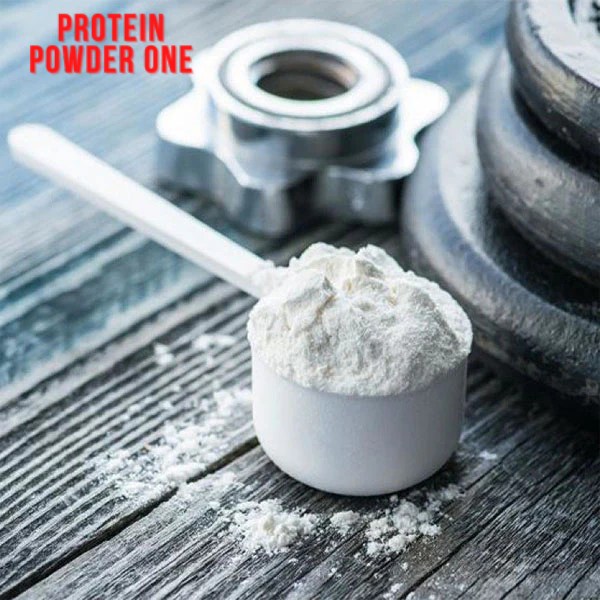
Creatine monohydrate is a naturally occurring compound found in small amounts in foods such as red meat and fish. The human body also produces creatine naturally and stores it primarily in skeletal muscle in the form of phosphocreatine.
Phosphocreatine plays an essential role in energy production by helping regenerate adenosine triphosphate (ATP), the main fuel source for short, high-intensity activities such as weightlifting, sprinting, and jumping. When creatine stores are increased through supplementation, muscles can produce energy more efficiently during intense exercise.
Creatine Monohydrate Dosage and Daily Use
The most widely recommended creatine monohydrate dosage is between 3 and 5 grams per day. Research consistently shows that this amount is sufficient to saturate muscle creatine stores over time and is safe for long-term use in healthy individuals.
While some protocols suggest adjusting dosage based on body weight, a fixed daily dose works well for the majority of users. Larger individuals may benefit slightly from higher intake, but exceeding recommended amounts rarely provides additional performance benefits.
The Creatine Loading Phase Explained
A creatine loading phase typically involves consuming around 20 grams per day, divided into four servings, for a period of five to seven days. The purpose of loading is to increase muscle creatine levels rapidly.
Scientific evidence shows that a loading phase is effective, but not mandatory. Individuals who skip loading and take 3 to 5 grams daily will still achieve full muscle saturation within three to four weeks. For most recreational gym-goers, loading is optional rather than essential.

Performance Outcomes and Real Results
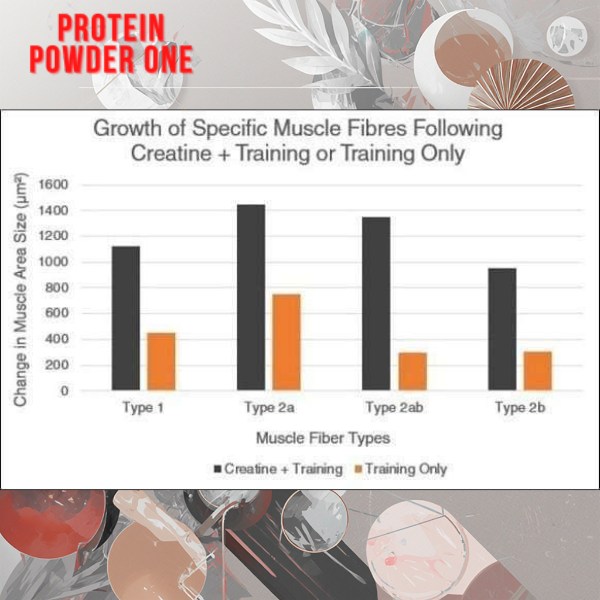
One of the most noticeable benefits of creatine monohydrate is increased strength and power output. Many users report improvements in maximal lifts, sprint performance, and the ability to perform more repetitions at high intensity.
Creatine also increases water content within muscle cells, giving muscles a fuller appearance. Over time, enhanced training capacity can lead to increased muscle mass and improved overall physique.
Myths vs Facts About Creatine
A common myth is that creatine is a steroid. In reality, creatine is a naturally occurring compound found in food and produced by the body.
Another misconception is that creatine causes harmful water retention. Creatine draws water into muscle cells, not under the skin, which does not typically result in bloating.
Concerns about kidney damage are also widespread, but research shows that creatine is safe for healthy individuals when used at recommended dosages.
Potential Side Effects and Safety
Creatine monohydrate is considered one of the safest supplements available. Some individuals may experience mild digestive discomfort, temporary weight gain from water retention, or muscle cramping, often due to insufficient hydration.
Drinking adequate water and avoiding excessive dosages can help minimize these effects.
Who Should Use Creatine Monohydrate?
Creatine is suitable for strength and power athletes, recreational gym-goers, and even older adults looking to maintain muscle mass and strength when combined with resistance training.
Conclusion
Understanding the correct creatine monohydrate dosage is essential for achieving real, sustainable results. While a loading phase can accelerate muscle saturation, it is not required. Daily use of 3 to 5 grams is sufficient for most individuals and delivers proven improvements in strength, power, and training performance.
By separating myths from facts and following evidence-based guidelines, creatine monohydrate can be a safe, effective addition to a long-term fitness and nutrition strategy.