
Meal Timing for Muscle Growth: Does When You Eat Really Matter?
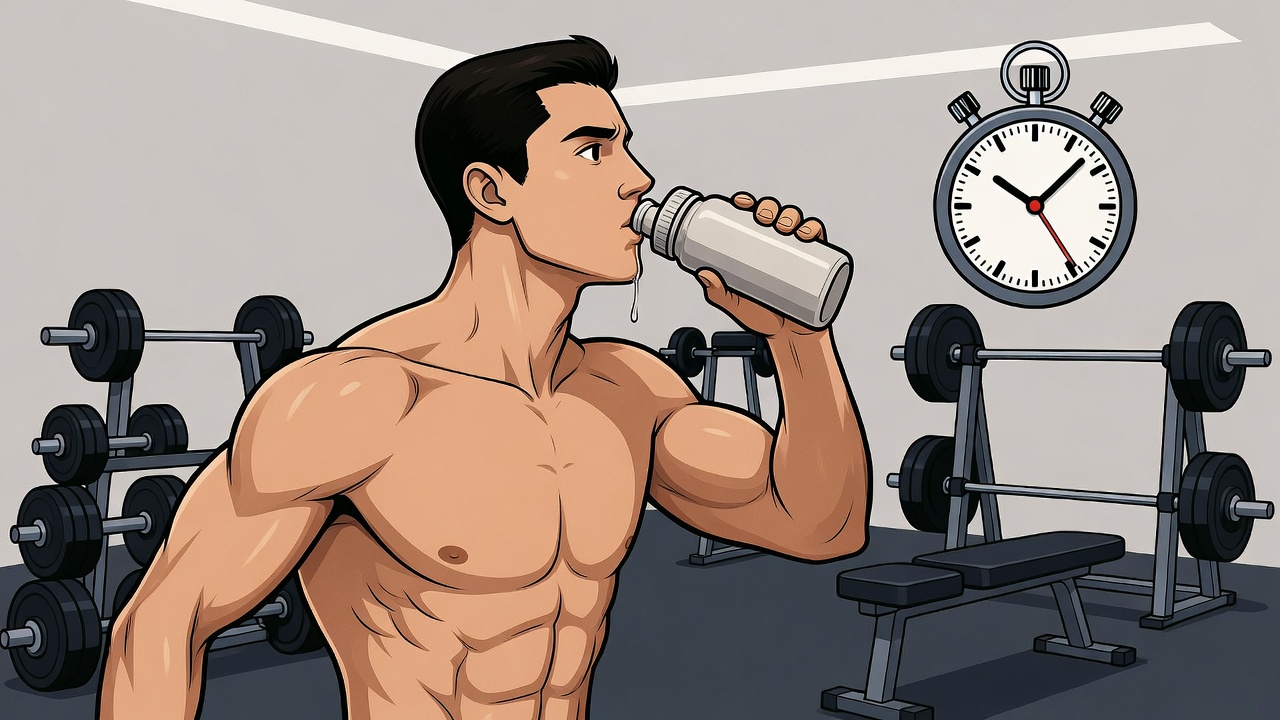
In the fitness community, many people believe they must consume protein immediately after a workout to take advantage of the so-called “anabolic window.” This concept suggests that there is a short period of time after training when the body is especially efficient at absorbing nutrients and building muscle. Because of this belief, many lifters drink a whey protein shake right after finishing their workout.
The Misunderstanding Around the “Anabolic Window”
Where the Anabolic Window Idea Came From
The idea of the anabolic window originated from early research in sports nutrition. These studies showed that after resistance training, the body becomes more sensitive to protein and carbohydrate intake. During this period, muscles that have just been stressed by training are more responsive to nutrients that help repair and rebuild muscle fibers.
Because of this observation, many people concluded that protein must be consumed immediately after a workout to maximize muscle growth. For years, common advice in bodybuilding communities was to consume protein within 30 to 60 minutes after training to take advantage of this “window.”
This advice became widely accepted and eventually turned into a rigid rule in many training programs.
Why the Concept Was Exaggerated
Although the anabolic window is based on real physiology, the concept has often been exaggerated or misunderstood. Many of the early studies that supported this idea were conducted with participants who trained in a fasted state, meaning they had not eaten before exercising.
In that situation, consuming protein soon after training is indeed helpful because the body does not have circulating amino acids available for muscle repair.
In reality, however, not everyone can eat a full meal before training. Many people work out early in the morning, after work, or during a busy schedule, and may start a workout without eating much beforehand or after only a light snack. In those cases, consuming protein after training can be more beneficial because it supplies the amino acids needed for recovery and muscle repair. What matters most is ensuring that the body receives sufficient protein within the time surrounding the workout, rather than strictly focusing on eating before or immediately after training.
Total Daily Protein Intake Matters More
Muscle Growth Depends on Overall Protein Intake
Muscle growth relies heavily on a process called muscle protein synthesis (MPS). This process occurs when the body uses amino acids to repair and rebuild muscle fibers that were stressed during resistance training.
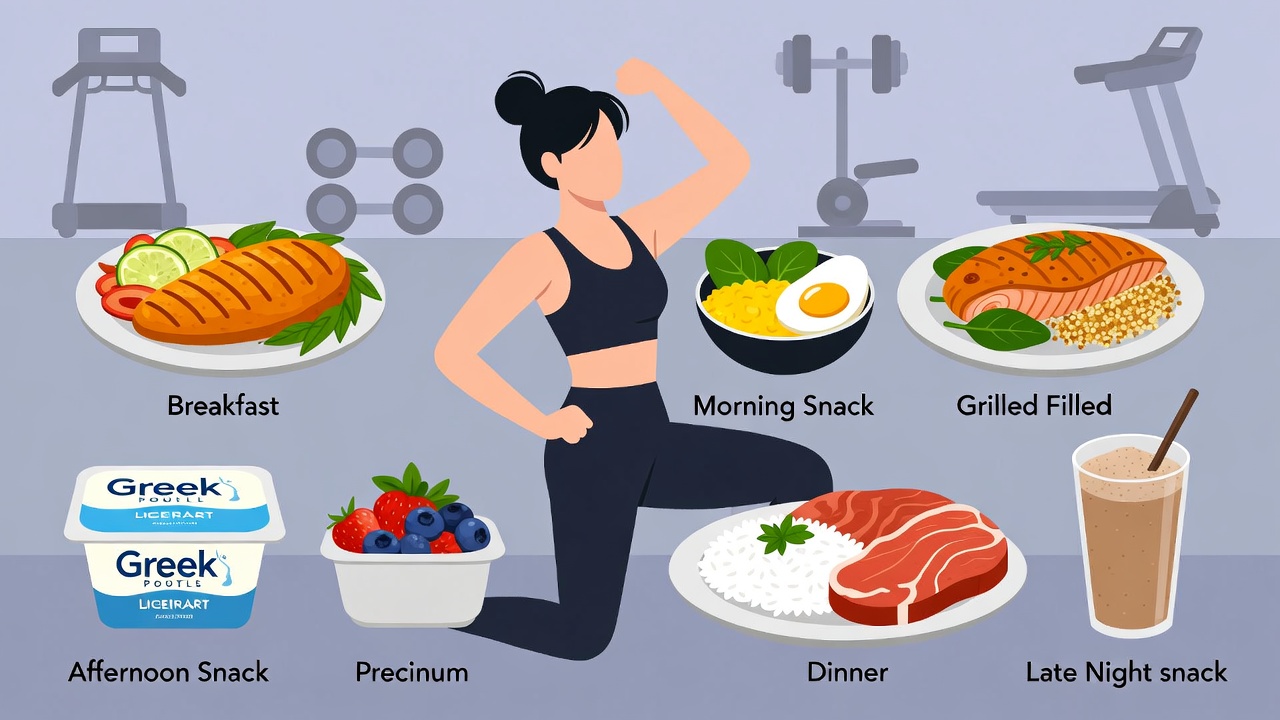
For muscle protein synthesis to occur effectively, the body must have access to sufficient amino acids from dietary protein. Research consistently shows that the most important nutritional factor for building muscle is total daily protein intake, not necessarily the exact timing of each meal.
If someone does not consume enough protein throughout the day, simply eating protein immediately after a workout will not compensate for that deficit.
For individuals who regularly perform resistance training, protein intake is commonly recommended to fall between 1.6 and 2.2 grams of protein per kilogram of body weight per day. Within this range, the body generally has enough amino acids to support muscle growth and recovery.
Protein Distribution Throughout the Day Still Helps
While total daily protein intake is the primary factor, the distribution of protein across meals can still influence muscle-building efficiency.
Each time protein is consumed, muscle protein synthesis increases for a period of time. If most protein intake occurs in only one or two meals, the body may not stimulate this process as frequently.
Instead, spreading protein intake across several meals throughout the day allows muscle protein synthesis to be triggered multiple times. For this reason, many experts recommend dividing daily protein intake into three to five meals, each containing enough protein to stimulate muscle growth.
The Role of Pre-Workout Nutrition

Protein Before Training
Consuming protein before training can be beneficial because it increases the availability of amino acids in the bloodstream during the workout. As muscles experience mechanical tension and microscopic damage from resistance training, these amino acids can support the early stages of muscle repair.
This may also reduce the likelihood that the body breaks down muscle tissue to obtain amino acids during intense exercise.
A pre-workout meal containing protein can therefore support both performance and recovery.
Carbohydrates Improve Training Performance
Carbohydrates also play an important role in a pre-workout meal. They help replenish glycogen, which is the primary fuel source used during high-intensity exercise such as weight training.
When glycogen levels are adequate, athletes are generally able to train harder, perform more repetitions, and sustain higher training intensity. Over time, better training performance can contribute to greater muscle growth because the body is exposed to stronger mechanical stimulus.
Do You Need to Eat Immediately After Training?

The Body Becomes More Responsive to Nutrients
After a workout, the body often becomes more sensitive to insulin and nutrient uptake. This increased sensitivity can support the transport of nutrients such as amino acids and glucose into muscle cells.
For this reason, consuming protein after training can help supply amino acids needed for muscle repair and rebuilding.
The Anabolic Window Is Much Larger Than Expected
However, modern research suggests that the anabolic window is not limited to just a few minutes after exercise. Instead, the body remains responsive to nutrients for several hours after training, especially if a meal was consumed beforehand.
This means there is no need to rush to drink a protein shake immediately after leaving the gym. As long as a protein-containing meal is consumed within a reasonable time after the workout, the body can still effectively use those nutrients for recovery and muscle growth.
How to Apply Meal Timing in Practice
Spread Protein Across Several Meals
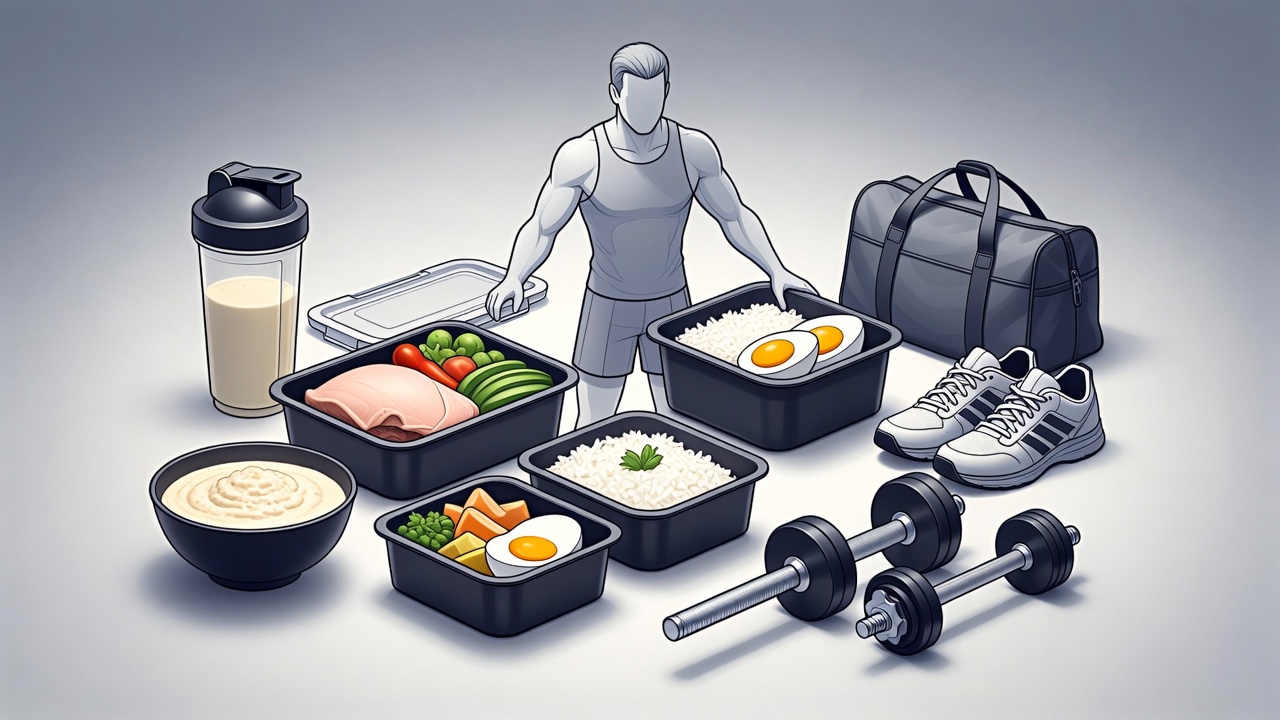
A practical strategy is to distribute daily protein intake across multiple meals. Instead of consuming most protein in only one or two large meals, it can be spread across breakfast, lunch, a pre-workout meal, a post-workout meal, and dinner.
Each meal should ideally provide approximately 0.3–0.5 grams of protein per kilogram of body weight, which is generally enough to stimulate muscle protein synthesis.
Consistency Matters More Than Perfection
The most important factor in nutrition for muscle growth is maintaining consistent habits over time. Eating enough protein daily, training progressively, and getting adequate sleep will have a far greater impact on muscle development than trying to perfectly time every meal. For more practical guides about protein intake, workout nutrition, and muscle growth strategies, you can explore proteinpowderone, where we share science-based insights on supplements, training, and recovery.
Meal timing can help optimize results, but it is not the primary determinant of muscle growth.
Conclusion
Meal timing can support muscle growth, but it is not the decisive factor many people once believed. The concept of the anabolic window does exist, but the timeframe is much broader than the traditional idea of a strict 30-minute post-workout period.
The most important priorities for building muscle remain total daily protein intake, effective resistance training, and proper recovery. When these fundamental factors are in place, meal timing simply serves as a tool to further optimize performance and recovery rather than acting as the single key to muscle growth.