
Do Natural Testosterone Boosters Really Help Build Muscle?
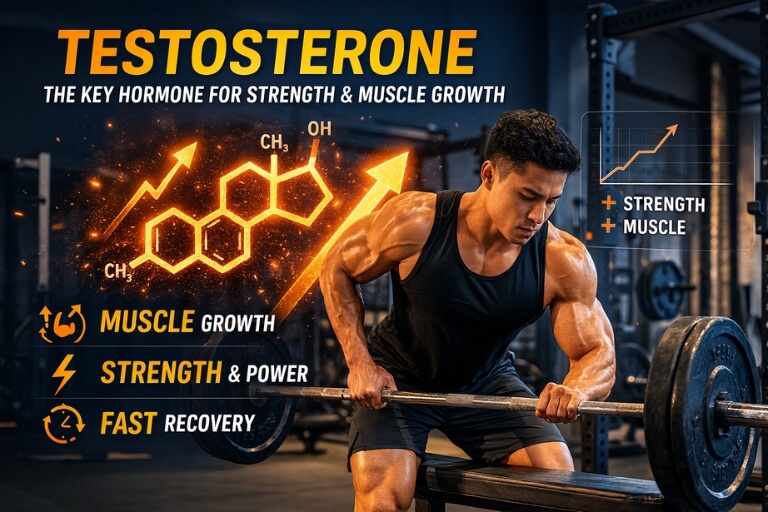
Testosterone is a key hormone for muscle development, and many supplements claim to boost it to improve strength and performance. However, an important question remains: do natural testosterone boosters actually work? In reality, many of these products provide limited results, and factors like lifestyle and overall health often play a bigger role in hormone balance.
Why Testosterone Matters for Muscle Growth
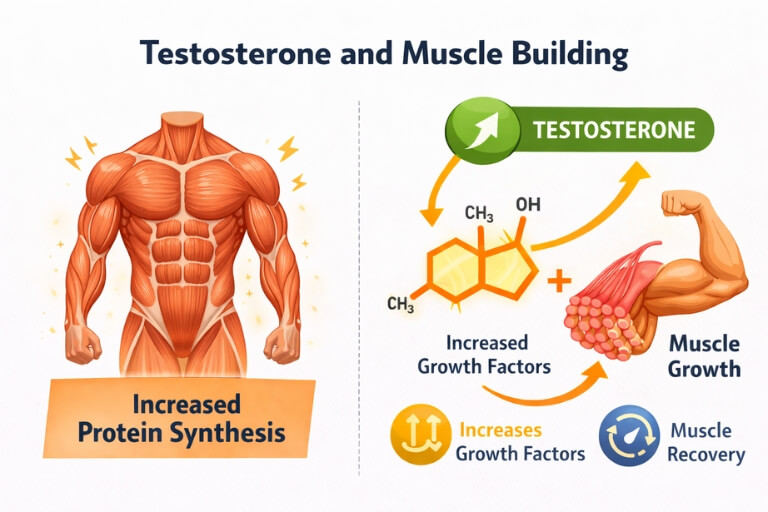
Testosterone and Muscle Building
Testosterone is an anabolic hormone, meaning it promotes the building of tissues in the body, particularly muscle tissue. It influences several mechanisms related to muscle development, including increased muscle protein synthesis and improved recovery after resistance training.
When testosterone levels are within a healthy range, the body is generally better positioned to build muscle, gain strength, and maintain lean body mass.
However, it is important to understand that for most healthy individuals, testosterone levels are already within the normal physiological range. In these cases, attempting to increase testosterone with supplements does not necessarily lead to significant muscle gains.
The Difference Between Normal and Optimized Levels
Many people believe that slightly increasing testosterone will automatically lead to faster muscle growth. In reality, the difference between “normal” testosterone levels and slightly higher levels usually does not produce major changes in muscle mass for natural lifters.
Some people may wonder why certain professional athletes or bodybuilders use external hormones to improve performance and recovery. The key difference is that synthetic hormones such as injected testosterone are often used at levels far beyond the body’s natural physiological range. When hormone levels are increased well above natural limits, they can significantly enhance protein synthesis, recovery capacity, and muscle growth.
This situation is very different from attempting to increase testosterone naturally through common supplements. Most “testosterone boosters” can only produce very small hormonal changes, if any. For natural trainees, maintaining healthy testosterone levels through proper lifestyle habits, nutrition, and consistent training is usually far more important than trying to push hormone levels beyond the normal range. At proteinpowderone, we regularly break down topics like muscle growth, supplements, and workout nutrition using research-based explanations.
Common Natural Testosterone Boosters
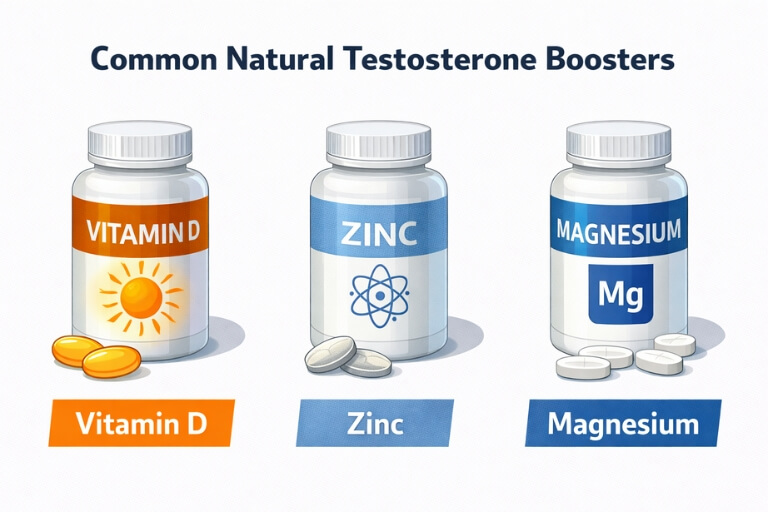
Vitamin D
Vitamin D is a nutrient involved in many functions in the body, including immune health, bone strength, and hormone regulation.
Some research suggests that individuals who are deficient in vitamin D may also have lower testosterone levels. In such cases, supplementing with vitamin D may help bring hormone levels back to normal.
However, if your vitamin D levels are already adequate, additional supplementation is unlikely to significantly increase testosterone.
Zinc and Magnesium
Zinc and magnesium are essential minerals involved in numerous biochemical reactions in the body. Deficiencies in these minerals may negatively affect hormone balance and overall health.
Some supplements combine these minerals in formulas often referred to as ZMA. When a person is deficient in zinc or magnesium, supplementation may help restore normal hormone function.
However, if your diet already provides sufficient amounts of these minerals, the effect on testosterone levels is usually minimal.
Vitamin B6
Vitamin B6 is a common B-vitamin involved in many metabolic processes in the body, including protein metabolism and energy production. It also plays a role in supporting the nervous system and maintaining hormone balance.
Some studies suggest that vitamin B6 may help regulate hormones and reduce fatigue, particularly in individuals with micronutrient deficiencies. When the body receives adequate levels of vitamin B6, various biochemical processes related to hormone regulation may function more efficiently.
Although vitamin B6 does not directly increase testosterone in healthy individuals, ensuring adequate intake may support overall health and hormonal balance.
Supplements That May Not Work
Tribulus Terrestris
Tribulus terrestris is one of the most common ingredients found in testosterone booster supplements. Despite its popularity, most human studies show that tribulus does not significantly increase testosterone levels.
Some individuals report improvements in energy or libido, but these effects are not necessarily linked to changes in testosterone.
D-Aspartic Acid
D-aspartic acid was once believed to stimulate testosterone production. Some early studies suggested potential benefits, particularly in individuals with low testosterone levels.
However, later research has produced inconsistent results, and most studies show little to no significant effect in healthy individuals.
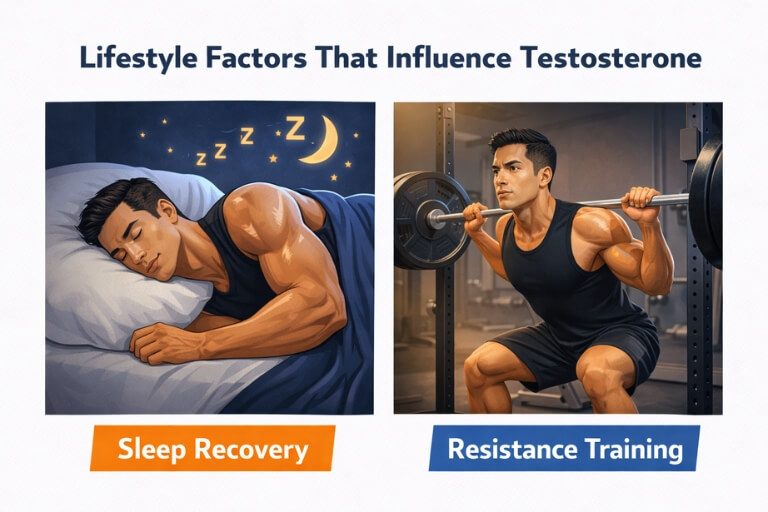
Lifestyle Factors That Strongly Influence Testosterone
Sleep
Sleep is one of the most important factors for hormone health. Testosterone production increases during sleep, particularly during deep sleep stages.
Chronic sleep deprivation can reduce testosterone levels and negatively affect recovery from training.
Body Fat Levels
Higher body fat levels may negatively influence hormone balance. Some studies suggest that increased body fat may be associated with lower testosterone levels.
Maintaining a healthy body composition through proper nutrition and exercise may help support better hormonal balance.
Resistance Training
Resistance training is one of the most effective lifestyle factors for supporting a healthy hormonal environment. Regular training not only helps build muscle but may also support long-term hormone health.
Should You Use Testosterone Boosters?

When Supplements May Help
Some supplements may be helpful in situations where a person has a nutritional deficiency, such as low vitamin D or zinc levels.
In these cases, supplementation can help restore normal physiological balance and support overall health and training performance.
When They Are Unnecessary
For most healthy individuals, a balanced diet, sufficient sleep, and consistent training habits are far more important than testosterone booster supplements.
No supplement can replace the fundamental lifestyle factors that support long-term health and physical performance.
Conclusion
Testosterone plays an important role in overall health and muscle development. However, many testosterone booster supplements do not produce the strong effects often suggested in marketing.
In practice, factors such as sleep, nutrition, and consistent resistance training usually have a much greater impact on hormone health and training results than supplements alone.