
BCAA vs EAA: Which Is Better for Building Muscle?
When it comes to muscle-building supplements, few comparisons create as much confusion as BCAA vs EAA. Both are amino acid supplements, both are popular among gym-goers, and both claim to support muscle growth and recovery. However, many people are unsure which one is actually better, or whether they even need either of them.
This article breaks down the BCAA vs EAA debate in a clear, practical way. You will learn what BCAAs and EAAs are, when each supplement truly matters, who can safely skip them, and how to choose a budget-friendly option based on your goals.
What Are BCAAs?
BCAA stands for branched-chain amino acids. This group includes three essential amino acids: leucine, isoleucine, and valine. These amino acids are called “branched-chain” because of their unique chemical structure.
BCAAs play an important role in muscle metabolism, particularly leucine, which helps activate muscle protein synthesis. Because of this, BCAA supplements became extremely popular for intra-workout use and muscle recovery.
However, it is important to note that BCAAs represent only three of the nine essential amino acids the body needs for muscle building.
What Are EAAs?
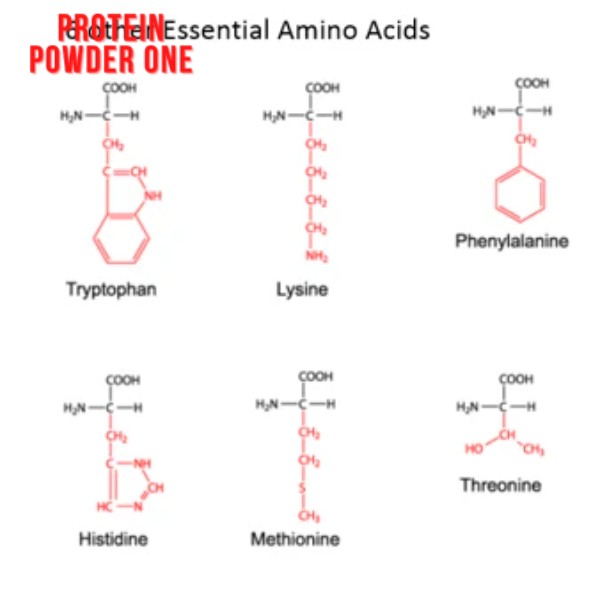
EAA stands for essential amino acids. EAAs include all nine amino acids that the human body cannot produce on its own and must obtain from food or supplements.
These nine amino acids are necessary for complete muscle protein synthesis. Without all essential amino acids present, the muscle-building process cannot function optimally, regardless of how much leucine or BCAAs are consumed.
This key difference is central to the BCAA vs EAA discussion.
BCAA vs EAA: The Key Differences
Muscle Protein Synthesis
When comparing BCAA vs EAA for muscle growth, EAAs clearly have an advantage. While BCAAs can help trigger muscle protein synthesis, they cannot sustain it without the presence of the other essential amino acids.
EAAs provide all the required building blocks, allowing the body to fully repair and build muscle tissue. This makes EAAs more effective for stimulating and maintaining muscle growth, especially when training fasted or with low protein intake.
Recovery and Performance
BCAAs may help reduce muscle soreness and perceived fatigue during workouts, particularly in endurance or fasted training scenarios. However, EAAs also provide these benefits while offering superior support for recovery due to their complete amino acid profile.
In practical terms, EAAs cover everything BCAAs do, plus more.
Overall Effectiveness
From a scientific standpoint, EAAs are more comprehensive. This is why many newer studies and supplement formulations favor EAAs over standalone BCAAs when the goal is muscle building.
When Does BCAA Matter?
Although EAAs are more complete, BCAAs are not completely useless. There are specific situations where BCAAs may still make sense.
During Fasted Training
If you train early in the morning without eating beforehand, BCAAs can help reduce muscle breakdown by supplying leucine and other branched-chain amino acids during the workout.
For Endurance Athletes
Endurance athletes sometimes use BCAAs to reduce central fatigue during long training sessions. In this context, BCAAs are used more for performance support than muscle growth.
When Budget Is Extremely Limited
BCAA supplements are often cheaper than EAAs. For individuals with a very tight budget who already consume sufficient protein from food, BCAAs can serve as a minimal add-on, though benefits may be modest.
When Does EAA Matter More?
In the BCAA vs EAA comparison, EAAs are the better choice in most muscle-building scenarios.
Low Protein Intake
If your daily protein intake is inconsistent or lower than optimal, EAAs can help fill the gaps by providing all essential amino acids required for muscle protein synthesis.
Cutting or Calorie Deficit Phases
During fat-loss phases, maintaining muscle mass becomes more challenging. EAAs are particularly useful here because they support muscle preservation without adding many calories.
Fasted or Long Training Sessions
EAAs outperform BCAAs during fasted training by providing complete amino acid support, not just stimulation signals.
Who Can Skip BCAA and EAA Supplements?
One important but often overlooked part of the BCAA vs EAA discussion is that many people do not need either supplement at all.
High-Protein Diets
If you already consume enough high-quality protein from whole foods or protein powders, your body likely receives sufficient BCAAs and EAAs naturally. In this case, additional supplementation may provide little to no benefit.
Beginners Focused on Basics
For beginners, consistent training, adequate calories, and total protein intake matter far more than amino acid supplements. Money is usually better spent on food or a basic protein powder.
Budget-Friendly Guidance: What Should You Choose?
If you are deciding between BCAA vs EAA on a budget, consider the following:
- If you must choose one, EAAs provide better overall value for muscle building.
- If protein intake is already high, you may not need either supplement.
- If budget is tight and training fasted occasionally, BCAAs can be optional, not essential.
Think of amino acid supplements as fine-tuning tools rather than core requirements.
BCAA vs EAA: Final Verdict
When comparing BCAA vs EAA for building muscle, EAAs are the clear winner for most people. They provide all essential amino acids required for complete muscle protein synthesis, making them more effective for growth, recovery, and muscle preservation.
BCAAs still have niche uses, particularly for fasted or endurance training, but they are no longer the best standalone option for muscle building. Ultimately, your total protein intake, training consistency, and overall nutrition matter far more than choosing between these two supplements.
For those looking to optimize results efficiently and cost-effectively, understanding when supplements matter — and when they do not — is the smartest strategy.