
Post-Workout Nutrition: What Should You Eat for Recovery
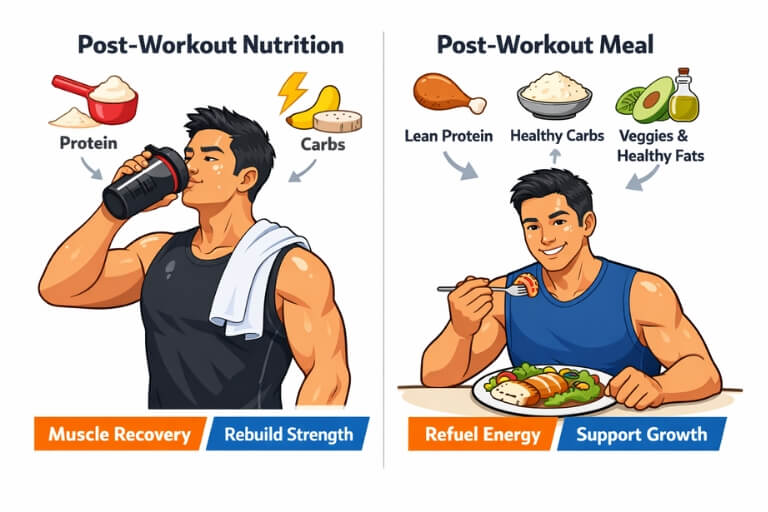
After a workout, the body enters the recovery phase—a crucial period for repairing and building muscle. During training, muscle fibers experience tension and develop small microscopic damage. This process stimulates the body to adapt and grow stronger.
Actual muscle growth occurs after the workout, when the body receives the nutrients it needs to recover. For this reason, post-workout nutrition plays an important role in supporting recovery and optimizing muscle development.
Why Post-Workout Nutrition Matters
Training Causes Microscopic Muscle Damage
When you perform resistance exercises such as squats, bench presses, or deadlifts, your muscles must generate force to move the weight. This creates mechanical tension on the muscle fibers.
As a result, small microscopic damage occurs within the muscle fibers. This is a normal and essential part of the muscle-building process. After training, the body needs amino acids from protein to repair these damaged fibers and rebuild them stronger and larger.
If the body does not receive sufficient nutrients after training, the recovery process may slow down, which can negatively affect muscle growth.
Recovery Determines Long-Term Progress
Muscle growth does not depend solely on the workout itself. It also depends on how well the body recovers between training sessions. When muscles recover properly, you can return to the gym with better performance, lift heavier weights, or complete more training sets.
On the other hand, poor recovery can lead to prolonged fatigue, reduced strength, and difficulty maintaining consistent progress. For this reason, post-workout nutrition acts as a bridge between today’s workout and the next one.
Protein – The Most Important Nutrient After Training
Protein Stimulates Muscle Building
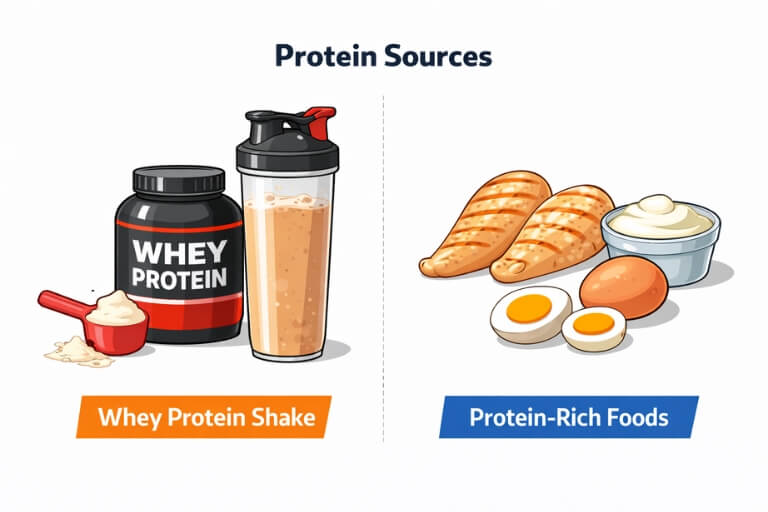
Protein provides amino acids, which are the building blocks the body uses to repair and rebuild muscle fibers. After a workout, the body activates muscle protein synthesis (MPS), the process responsible for creating new muscle proteins.
Consuming protein after training helps supply the amino acids required for this process to occur efficiently. When the body has enough amino acids available, muscle repair and growth can be optimized.
How Much Protein Do You Need After a Workout?
Many studies suggest that about 20–40 grams of protein after a workout is sufficient to stimulate muscle protein synthesis for most individuals.
The exact amount can depend on body weight and overall daily protein intake. However, it is important to remember that post-workout protein is only one part of your total daily protein intake, not the single factor that determines muscle growth.
Carbohydrates and Glycogen Recovery
Training Depletes Muscle Glycogen
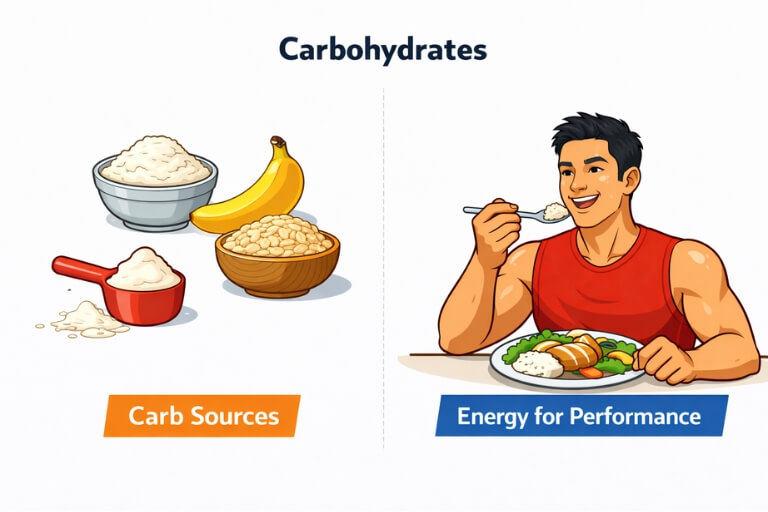
During intense exercise, the body uses glycogen—the stored form of carbohydrates in muscles—as a primary energy source. When workouts are long or intense, glycogen levels in the muscles can decrease significantly.
If glycogen is not properly replenished, performance in future workouts may suffer.
Carbohydrates Support Recovery and Performance
Consuming carbohydrates after training helps the body replenish glycogen stores, preparing the muscles for future training sessions.
Carbohydrates may also help improve the transport of amino acids into muscle cells through insulin release. This can support the overall recovery process.
Whole Foods vs Whey Protein After a Workout
Whole Foods Can Work Just as Well
Many people assume whey protein is required after training. However, whole foods can also provide all the protein needed for recovery.
High-quality protein sources such as:
- chicken breast
- eggs
- Greek yogurt
- fish
- lean meat
can easily meet your post-workout protein needs.
Whey Protein Is More Convenient
Although whole foods work well, whey protein remains popular because of its convenience. A whey protein shake can provide the necessary protein within minutes without requiring meal preparation.
This is particularly useful for people with busy schedules or those who cannot eat a full meal immediately after leaving the gym.
If you want to learn more about protein supplementation, recovery strategies, and evidence-based fitness nutrition, you can explore more guides at proteinpowderone, where we break down training, supplements, and muscle-building nutrition in a practical way.
Do You Need to Eat Immediately After Training?
The Anabolic Window Is Wider Than Many Think
For many years, people believed they had to eat within 30 minutes after a workout to take advantage of the so-called “anabolic window.” However, modern research shows that this window is much wider.
If you ate a meal before training, amino acids from that meal may remain in the bloodstream for several hours.
Total Daily Nutrition Matters More
What matters more than precise timing is total daily nutrition. If you consume enough protein and calories throughout the day, eating immediately after training is not strictly necessary.
A protein-rich meal within a few hours after your workout can still effectively support recovery.
Examples of Post-Workout Meals
Simple Meal Ideas
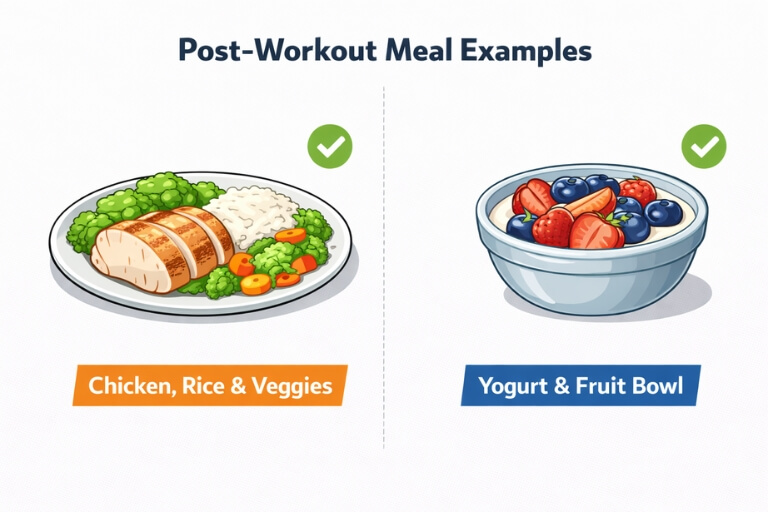
A post-workout meal does not need to be complicated. Some simple examples include:
- whey protein with a banana
- chicken breast with rice
- Greek yogurt with fruit
- eggs with whole grain bread
These meals provide both protein and carbohydrates to support recovery.
What Matters Most
Instead of searching for a “perfect” post-workout meal, the most important thing is ensuring your body receives:
- enough protein
- enough carbohydrates
- enough fluids
When these needs are met, the recovery and muscle-building process can occur more effectively.
Conclusion
Post-workout nutrition helps support recovery and muscle growth, particularly through protein and carbohydrates. However, overall daily nutrition remains the most important factor in maintaining long-term muscle-building progress.