
Progressive Overload Explained: How to Build Muscle Faster Without Overtraining
Most people think progressive overload means one thing:
add more weight to the bar every week.
That belief is exactly why so many lifters train consistently for years—yet look the same.
Progressive overload is not a single action. It is a long-term strategy that balances stimulus, fatigue, and recovery. When misunderstood, it doesn’t just stall muscle growth—it actively pushes you toward overtraining, joint pain, and burnout.
This article explains what progressive overload really is, why it often fails in practice, and how to apply it intelligently—especially if you’re a natural lifter.
What Progressive Overload Actually Means (And What It Doesn’t)
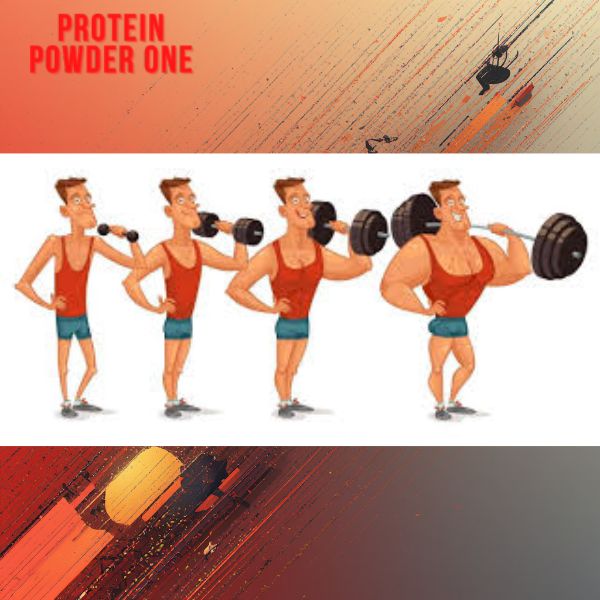
At its core, progressive overload means this:
You must gradually expose muscles to a greater training stimulus than they are currently adapted to.
That stimulus forces adaptation—primarily muscle growth and strength gains.
What it does not mean:
- Adding weight every session
- Training to failure on every set
- Increasing volume indefinitely
- Ignoring recovery signals
Muscle doesn’t grow because training is “hard.”
It grows because training provides enough mechanical tension, then the body is allowed to recover and adapt.
The Real Driver of Muscle Growth: Mechanical Tension
Progressive overload works because it increases mechanical tension, the primary driver of hypertrophy.
Mechanical tension comes from:
- Load (weight on the bar)
- Muscle fiber recruitment
- Time under tension
- Proper execution through a meaningful range of motion
Here’s the key insight most people miss:
You can increase mechanical tension without increasing weight.
This is where most lifters go wrong.
The 6 True Progressive Overload Variables (Weight Is Only One)
If weight were the only lever, muscle growth would stall very quickly. In reality, there are multiple overload variables, and advanced lifters rotate between them deliberately.
1. Load (Weight)
Yes, it matters—but it’s only sustainable when:
- Technique remains stable
- Reps stay within a productive range
- Fatigue doesn’t spike uncontrollably
2. Repetitions
Adding reps at the same load is a legitimate overload stimulus.
- 8 → 10 reps with the same weight = increased tension
- Often safer and more sustainable than weight jumps
3. Sets (Volume)
Increasing weekly working sets can drive growth—up to a point.
- Past that point, volume becomes fatigue, not stimulus
4. Tempo & Control
Slower eccentrics or longer pauses increase time under tension.
- Especially useful for isolation work
- Also exposes weak points and sloppy form
5. Range of Motion
A deeper, controlled ROM often increases stimulus more than heavier weight with partial reps.
6. Training Density
Doing the same work in less time (shorter rest periods) increases metabolic stress—but should be used sparingly.
Advanced lifters do not increase all variables at once.
They cycle them intelligently to manage fatigue.
Why Progressive Overload Fails for Most People

Let’s address the uncomfortable truth.
1. They Chase Numbers, Not Stimulus
Ego lifting creates the illusion of progress while reducing actual muscle tension.
2. They Ignore Fatigue Accumulation
Strength may increase short-term while recovery capacity collapses underneath.
3. They Confuse Overload With Overreaching
More work ≠ better results once recovery is exceeded.
4. They Never Deload
Progressive overload without deloads is like driving without brakes.
Progressive Overload for Natural Lifters: Different Rules Apply
Natural lifters must respect recovery far more than enhanced athletes.
Key constraints:
- Limited muscle protein synthesis duration
- Lower recovery ceiling
- CNS and joint fatigue accumulate faster
This means:
- Slower progression is normal
- Sustainable overload beats aggressive overload
- Long-term consistency beats short-term PRs
If you’re natural and constantly “maxing out,” you’re likely regressing without realizing it.
How to Apply Progressive Overload Without Overtraining
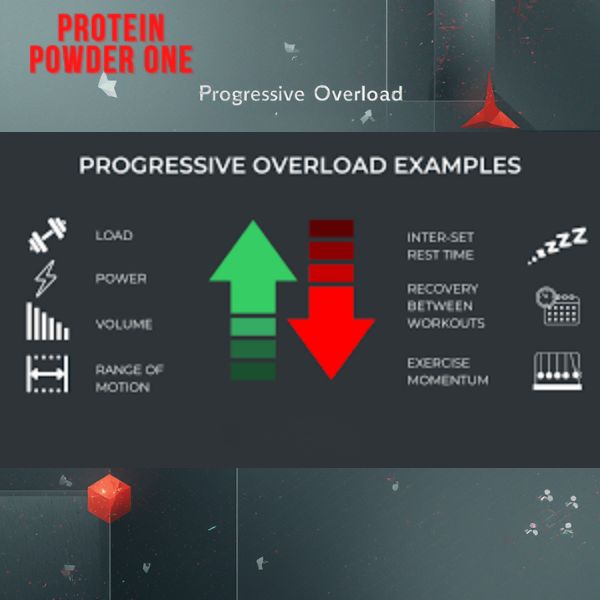
Step 1: Track Performance, Not Just Weight
Log:
- Reps achieved
- RPE or reps-in-reserve
- Technique quality
Step 2: Progress One Variable at a Time
Never increase:
- Weight
- Volume
- Intensity
Choose one lever per training block.
Step 3: Use Rep Ranges, Not Fixed Numbers
Example:
- Target 6–10 reps
- Progress reps first
- Add weight only after topping the range
Step 4: Schedule Deloads Intentionally
Deloads are not weakness—they are what make long-term overload possible.
Signs You’re Overloading Correctly
You’re on the right track if:
- Strength trends upward over months, not weeks
- Pumps improve without joint pain
- Performance feels challenging but repeatable
- Motivation remains stable
You’re overdoing it if:
- Strength fluctuates wildly
- Sleep and appetite suffer
- Joints ache more than muscles
- Every session feels like survival
The Biggest Progressive Overload Myth
“If I’m not adding weight, I’m not progressing.”
False.
Progression is adaptation—not numbers on a spreadsheet.
The best lifters in the long run are not the ones who rush overload, but the ones who apply it patiently, strategically, and relentlessly over time.
Final Takeaway
Progressive overload is not a weekly challenge, but a long-term system that balances training stimulus with recovery. When applied patiently and adjusted over time, it allows muscle growth to continue without unnecessary strain or burnout.
Thank you for taking the time to read this guide. If you’re looking to explore more evidence-based training principles and long-term approaches to muscle building, you can return to the homepage at proteinpowderone for additional resources.