
The Truth About Supplement Labels: How to Identify Underdosed and Proprietary Blends
Walking into a supplement store or browsing online can feel overwhelming. Labels are packed with scientific terms, bold claims, and flashy marketing language. For many consumers, this raises an important question: how to read supplement labels correctly and avoid products that are underdosed or hiding behind proprietary blends.
This article breaks down how to read supplement labels step by step. You will learn how to evaluate dosing ranges, identify common red flags, understand certifications, and assess ingredient transparency so you can make smarter, safer supplement choices.
Why Learning How to Read Supplement Labels Matters
Supplements are not regulated as strictly as medications in many countries. This means manufacturers have flexibility in how they formulate and market products. While many brands are reputable, others rely on underdosed ingredients or vague blends that look impressive but deliver little value.
Knowing how to read supplement labels helps you avoid wasting money, reduces the risk of unwanted side effects, and ensures you are getting effective dosages rather than marketing hype.
Start With the Supplement Facts Panel
The Supplement Facts panel is the most important part of any label. It provides objective information about what is actually inside the product.
Serving Size and Servings Per Container
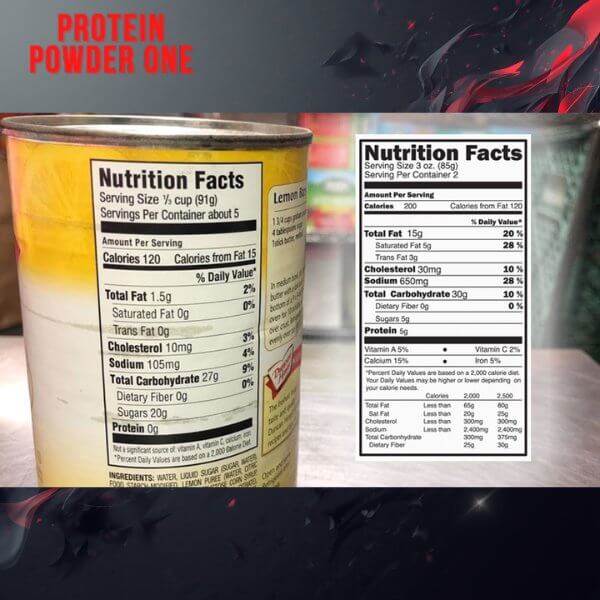
Always begin by checking the serving size. Some products appear to contain high doses, but only if you consume multiple scoops or capsules at once. Also note how many servings are in the container, as this affects overall value.
A common trick is advertising strong numbers per serving while quietly shrinking the number of servings per container.
Ingredient List and Amounts
Each active ingredient should be listed with a specific amount. This is critical when learning how to read supplement labels, because effectiveness depends on dosage, not just ingredient presence.
If an ingredient is listed without a clear dose, that is often a warning sign.
Understanding Effective Dosing Ranges
Knowing general dosing ranges allows you to evaluate whether a supplement is likely to work.
For example, many common ingredients have well-established effective ranges. If a product contains far below these levels, it is likely underdosed and unlikely to deliver results.
You do not need to memorize exact numbers, but you should recognize when a label looks suspiciously low or vague. Comparing labels between brands is one of the fastest ways to identify underdosed formulas.
Proprietary Blends: What They Are and Why They Matter
One of the biggest red flags when learning how to read supplement labels is the use of proprietary blends.
What Is a Proprietary Blend?
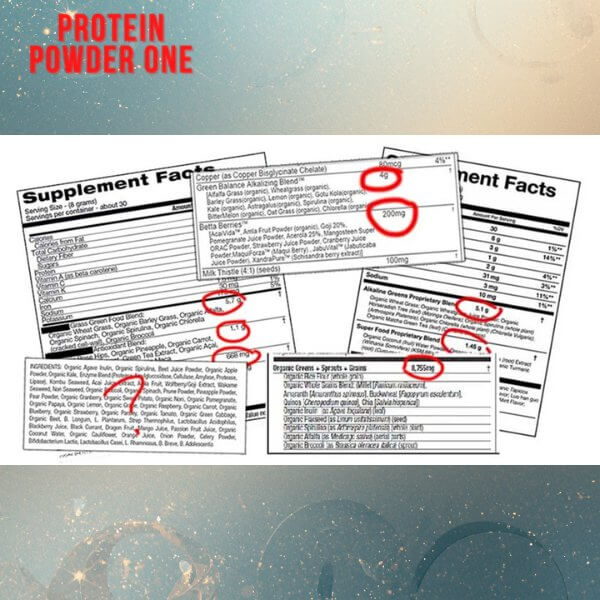
A proprietary blend lists multiple ingredients under a single combined weight rather than individual doses. This allows manufacturers to hide exact ingredient amounts.
For example, a blend may weigh 5,000 mg total, but you have no idea how much of each ingredient is included.
Why Proprietary Blends Are a Problem
Proprietary blends make it impossible to know whether ingredients are dosed effectively. Often, expensive or popular ingredients are included in very small amounts, while cheaper fillers make up most of the blend.
Transparency matters. If you cannot see how much of each ingredient you are getting, you cannot evaluate quality.
Ingredient Order and Label Tricks
Ingredients are typically listed in descending order by weight. This means the first ingredients listed are present in the largest amounts.
Be cautious if appealing ingredients appear near the bottom of the list. This often indicates they are included more for marketing than for effectiveness.
Another common trick is splitting similar ingredients into different forms to make them appear more prominent. Understanding how to read supplement labels helps you see through these tactics.
Watch for Marketing Buzzwords and Red Flags
Certain phrases on supplement labels should prompt extra caution.
Claims like “clinically proven blend,” “advanced matrix,” or “scientifically engineered” often sound impressive but provide no concrete information. These terms are not regulated and do not guarantee effectiveness.
Other red flags include extremely long ingredient lists, excessive stimulant content without clear labeling, or claims that promise unrealistic results such as rapid fat loss without diet or exercise.
Certifications and Third-Party Testing
Certifications are an important part of learning how to read supplement labels responsibly.
Common Certifications to Look For
Third-party testing seals indicate that a product has been independently tested for quality, purity, and accuracy. These certifications help verify that what is on the label matches what is in the container.
While certifications do not guarantee effectiveness, they significantly reduce the risk of contamination or mislabeling.
Why Certifications Matter
Third-party testing is especially important for athletes or individuals concerned about banned substances. It also signals that a brand values transparency and quality control.
Ingredient Transparency and Brand Trust
Beyond the label itself, ingredient transparency reflects a brand’s credibility. Brands that clearly list ingredient sources, dosages, and testing information tend to be more trustworthy.
When learning how to read supplement labels, also consider whether the brand provides educational resources, research references, or clear customer support channels. Transparency often extends beyond the packaging.
How to Compare Supplements Effectively
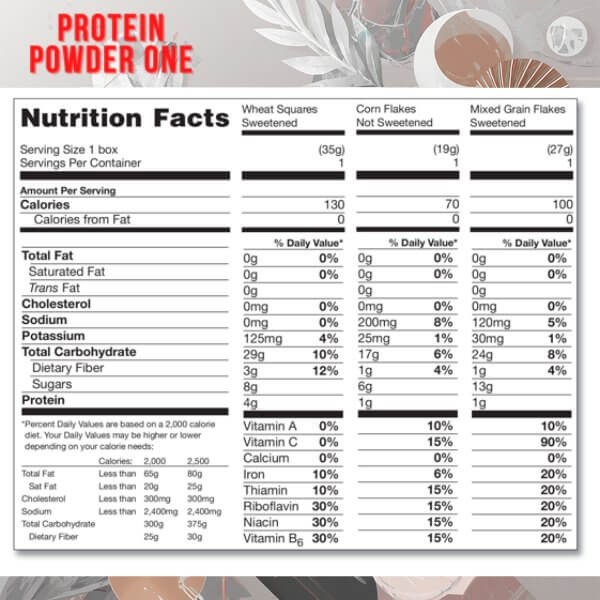
A practical way to apply how to read supplement labels is side-by-side comparison. Look at two products serving the same purpose and compare:
Total active ingredient dosages
Presence or absence of proprietary blends
Use of unnecessary fillers or additives
Certifications and testing information
This process quickly reveals which product offers better value and formulation quality.
Who Benefits Most From Label Literacy?
Everyone benefits from knowing how to read supplement labels, but it is especially important for people using multiple supplements, athletes subject to testing, and individuals with health conditions.
For beginners, this knowledge prevents early mistakes and helps build smarter long-term habits. For experienced users, it ensures continued progress without unnecessary risk.
Conclusion
Learning how to read supplement labels is one of the most valuable skills a supplement user can develop. By understanding dosing ranges, avoiding proprietary blends, recognizing red flags, and checking for certifications, you protect both your health and your wallet.
Transparent labels, clear ingredient amounts, and realistic claims are signs of quality. With the ability to read labels critically, you can confidently choose supplements that support your goals rather than falling for marketing shortcuts.