
Whey Isolate vs Concentrate: Differences, Lactose, and Which to Choose
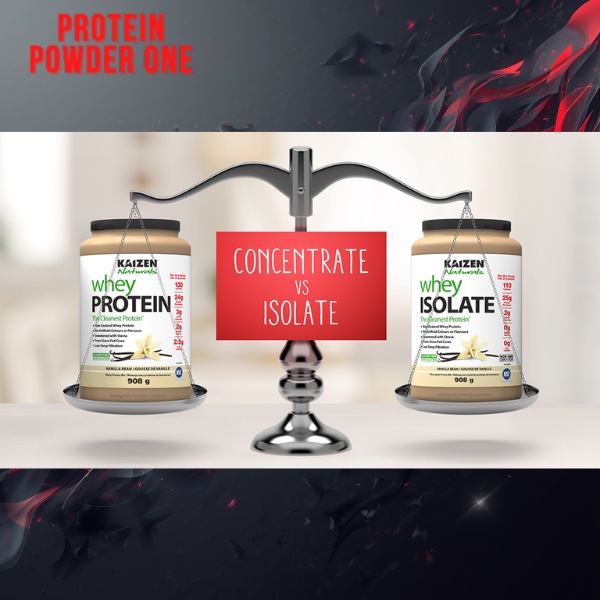
Choosing the right protein supplement often comes down to one common comparison: whey isolate vs concentrate. Both come from the same source, both support muscle growth, and both are widely used. Yet differences in processing, digestion, lactose content, macros, taste, and price can make one a better fit than the other depending on your goals.
This article breaks down whey isolate vs concentrate in a practical, no-hype way. You’ll learn how they differ, who should choose each option, and how to decide based on digestion, budget, and fitness objectives.
What Is Whey Protein?
Whey protein is derived from milk during the cheese-making process. The liquid whey is filtered and dried to create protein powder. The level of filtration determines whether the final product is whey concentrate or whey isolate.
Despite their differences, both forms are complete proteins containing all essential amino acids and are effective for supporting muscle protein synthesis.
Whey Concentrate: Overview
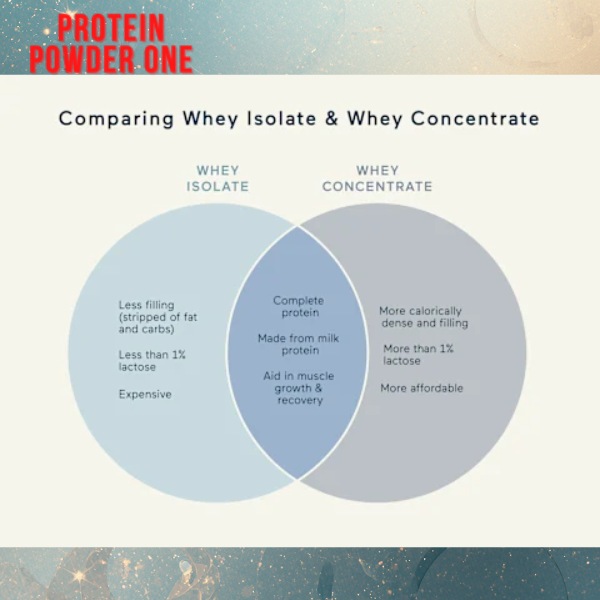
Whey concentrate is the less processed form of whey protein. It typically contains 70–80% protein by weight, with the remaining calories coming from carbohydrates (including lactose) and fats.
Because it undergoes less filtration, whey concentrate retains more naturally occurring compounds from milk, which contributes to its flavor and texture.
Macros and Calories
A standard serving of whey concentrate usually provides:
- 20–25 grams of protein
- Slightly higher carbs and fats
- More total calories per scoop
Taste and Texture
Whey concentrate is often creamier and tastes richer. Many people prefer its texture, especially when mixed with water or milk.
Price
Whey concentrate is generally more affordable, making it popular among beginners and those using protein daily.
Whey Isolate: Overview
Whey isolate is more heavily filtered to remove most of the fat and lactose. As a result, it contains a higher percentage of protein, typically 90% or more.
This additional processing changes both the nutritional profile and the price.
Macros and Calories
A standard serving of whey isolate typically provides:
- 25–30 grams of protein
- Very low carbohydrates and fats
- Fewer calories overall
Digestion and Lactose Content
One of the biggest differences in whey isolate vs concentrate is lactose content. Whey isolate contains little to no lactose, making it easier to digest for people with lactose sensitivity.
This faster digestion and cleaner profile are often preferred during cutting phases.
Price
Whey isolate is usually more expensive due to the additional filtration process.
Whey Isolate vs Concentrate: Digestion Differences
Digestion speed and comfort play a major role when comparing whey isolate vs concentrate.
Whey isolate digests slightly faster and is less likely to cause bloating or stomach discomfort, especially for individuals sensitive to lactose. Whey concentrate digests well for most people but may cause mild digestive issues in those with lactose intolerance.
If digestion has been an issue with protein powders in the past, isolate is often the safer choice.
Whey Isolate vs Concentrate: Fitness Goals
Muscle Gain and Bulking
For muscle gain, both whey isolate and concentrate are effective. The difference in protein quality is minimal, and total daily protein intake matters more than the specific type.
Whey concentrate often fits bulking phases well due to its lower cost and slightly higher calorie content.
Fat Loss and Cutting
During cutting phases, whey isolate has a clear advantage. Its higher protein-to-calorie ratio makes it easier to meet protein targets without adding extra calories.
General Fitness and Maintenance
For general fitness goals, whey concentrate is more than sufficient. It provides high-quality protein at a better price point for daily use.
Taste and Mixing Preferences
Taste is subjective but important for consistency. Many users prefer whey concentrate because it tastes better and mixes more smoothly. Whey isolate can taste thinner or slightly more processed, depending on the brand.
If taste affects whether you use protein consistently, whey concentrate may be the better long-term choice.
Budget Considerations
When comparing whey isolate vs concentrate, budget often becomes the deciding factor.
Whey concentrate offers excellent value and delivers nearly the same muscle-building benefits for most people. Whey isolate costs more but provides advantages in digestion, lactose content, and calorie control.
If budget is limited, choosing a high-quality whey concentrate is a smart and effective option.
Who Should Choose Whey Concentrate?
Whey concentrate is ideal for:
- Beginners starting supplementation
- Individuals without lactose sensitivity
- Bulking or maintenance phases
- Budget-conscious users
Who Should Choose Whey Isolate?
Whey isolate is better suited for:
- People with lactose intolerance
- Cutting or calorie-restricted diets
- Those seeking maximum protein purity
- Users with sensitive digestion
Can You Use Both?
Some people use both forms strategically. Whey isolate may be used during cutting phases, while whey concentrate is used during bulking or off-season periods. Others choose blends that combine isolate and concentrate for a balance of taste, cost, and digestion.
Conclusion
When comparing whey isolate vs concentrate, neither option is universally better. Whey concentrate offers great taste, affordability, and effectiveness for most people. Whey isolate provides higher protein purity, easier digestion, and better calorie control.
The right choice depends on your digestion, budget, taste preference, and fitness goals. Understanding these differences allows you to select the option that supports consistency, which ultimately matters more than the label on the tub.