
Whey Protein Benefits: What It Does for Muscle Gain & Recovery
Whey protein is one of the most popular dietary supplements in the fitness and sports nutrition world. From beginners stepping into the gym for the first time to professional athletes optimizing performance, whey protein is widely used for muscle building, recovery, and overall health. But what exactly are the real whey protein benefits, and how does it work inside the body?
This article explains whey protein benefits in detail, including how it supports muscle gain and recovery, the differences between whey types (concentrate, isolate, and hydrolysate), optimal timing for intake, and who should consider using it.
What Is Whey Protein?
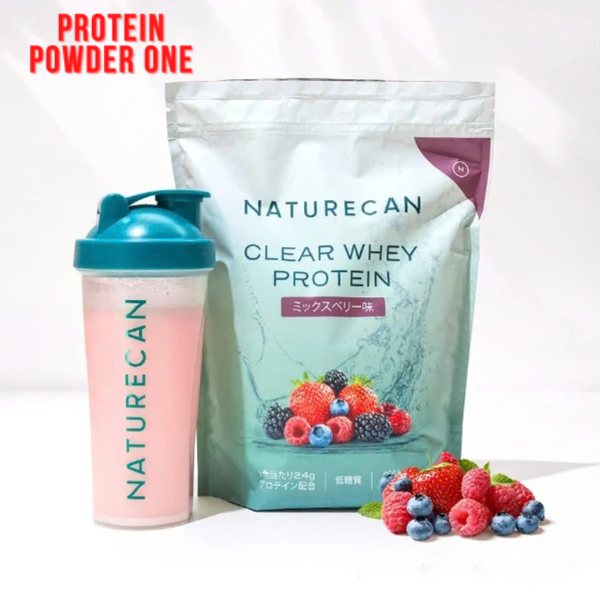
Whey protein is a high-quality protein derived from milk during the cheese-making process. When milk coagulates, it separates into curds (which become cheese) and liquid whey. This liquid is then processed, filtered, and dried to create whey protein powder.
What makes whey protein unique is its rich amino acid profile. It contains all nine essential amino acids and is particularly high in branched-chain amino acids (BCAAs), especially leucine, which plays a key role in muscle protein synthesis.
Whey Protein Benefits for Muscle Gain
Stimulates Muscle Protein Synthesis
One of the most important whey protein benefits is its ability to stimulate muscle protein synthesis (MPS). Muscle growth occurs when protein synthesis exceeds muscle breakdown, and whey protein provides the building blocks needed for this process.
Whey is fast-digesting, meaning amino acids enter the bloodstream quickly. This rapid absorption helps trigger MPS soon after resistance training, making whey an effective protein source for muscle gain.
High Leucine Content
Leucine acts as a “switch” that activates muscle-building pathways. Whey protein naturally contains more leucine compared to many other protein sources, which explains why it is often preferred by strength athletes and bodybuilders.
Supports Lean Muscle Mass
In addition to building muscle, whey protein helps preserve lean muscle mass during calorie restriction. This is especially beneficial during fat-loss phases, where maintaining muscle is a priority.
Whey Protein Benefits for Recovery
Reduces Muscle Soreness
Intense training creates microscopic muscle damage. Whey protein provides essential amino acids that help repair this damage, potentially reducing delayed onset muscle soreness (DOMS).
Speeds Up Recovery Time
Because whey protein is absorbed quickly, it delivers nutrients to muscles when they are most receptive. Faster recovery allows athletes to train more frequently and maintain performance over time.
Supports Immune Function
Heavy training can temporarily weaken the immune system. Whey protein contains bioactive compounds that may support immune health, helping the body recover not just physically, but systemically.
Types of Whey Protein Explained
Understanding whey protein benefits also requires knowing the differences between the main whey types.
Whey Protein Concentrate
Whey protein concentrate typically contains 70–80% protein, with small amounts of carbohydrates (lactose) and fats. It is the least processed form and often has a creamy texture and pleasant taste.
Best for:
- Beginners
- Those without lactose sensitivity
- Budget-conscious users
Whey Protein Isolate
Whey protein isolate undergoes additional filtration to remove most fats and lactose, resulting in a protein content of 90% or higher. It is lighter, faster-digesting, and lower in calories.
Best for:
- People with lactose intolerance
- Lean muscle and fat-loss goals
- Athletes seeking cleaner nutrition
Whey Protein Hydrolysate
Whey protein hydrolysate is pre-digested through enzymatic processes, breaking proteins into smaller peptides. This allows for extremely fast absorption.
Best for:
- Advanced athletes
- Post-surgery or clinical recovery
- Individuals needing rapid protein delivery
Best Time to Take Whey Protein
Post-Workout
The most common and evidence-supported timing is immediately after training. Consuming whey protein post-workout helps replenish amino acids and kick-start muscle recovery.
Morning
After an overnight fast, the body is in a catabolic state. Taking whey protein in the morning helps supply quick protein and prevent muscle breakdown.
Between Meals
Whey protein can be used as a convenient protein source between meals to help meet daily protein requirements, especially for busy individuals.
Who Should Use Whey Protein?
Athletes and Gym-Goers
Anyone engaged in resistance training or endurance sports can benefit from whey protein for muscle repair and performance support.
Beginners Starting Fitness
Whey protein is not only for advanced athletes. Beginners often struggle to meet protein needs through food alone, and whey provides a simple solution.
Older Adults
As people age, muscle protein synthesis becomes less efficient. Whey protein can help older adults maintain muscle mass and strength.
People with Busy Lifestyles
Those with limited time for meal preparation can use whey protein shakes as a quick and effective protein source.
How Much Whey Protein Should You Take?
The optimal amount depends on body weight, activity level, and goals. A general guideline is:
- 20–30 grams per serving
- 1–2 servings per day, depending on total dietary protein intake
Whey protein should complement a balanced diet, not replace whole foods entirely.
Are There Any Side Effects?
Whey protein is generally safe for healthy individuals. However, some people may experience digestive discomfort, especially if lactose intolerant. Choosing whey isolate or hydrolysate can help reduce these issues.
Excessive protein intake may strain individuals with pre-existing kidney conditions, so moderation and professional guidance are recommended.
Conclusion
Whey protein benefits go far beyond simple muscle building. From stimulating muscle protein synthesis and accelerating recovery to supporting immune health and preserving lean mass, whey protein is a versatile and effective nutritional supplement.
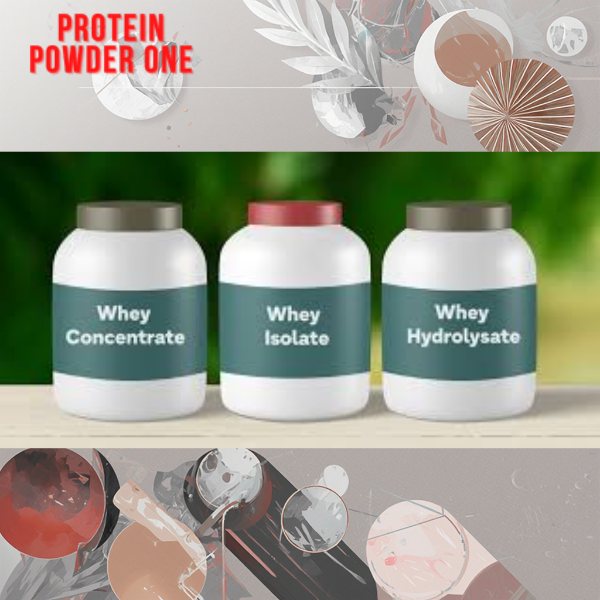
By understanding the differences between whey protein concentrate, isolate, and hydrolysate, choosing the right timing, and using appropriate dosages, individuals can maximize the benefits of whey protein safely and effectively. Whether you are a beginner, an athlete, or simply someone looking to improve protein intake, whey protein can be a valuable addition to a healthy lifestyle.